Case Study — Aviation / AI

Unified AI-Powered Drone Operations Platform

Designing the operator interface across 5 platforms and 30+ managed units —
where a confusing screen isn't just annoying, it's dangerous.

ROLE

Lead Product Designer (Sole)

Company

Intuitive Robotics · AU

Timeline

Sep 2020 – Oct 2025

Platforms

Web · Mobile · Dashboard

Outcome

Microsoft Azure & NVIDIA

As Design Lead at Intuitive Robotics, a B2B robotics startup focused on drone operations and AI-powered platforms, I was responsible for defining and leading end-to-end product design across web, mobile, and real-time systems — spanning product strategy, UX/UI design, design systems, and cross-functional collaboration with engineering, leadership, and business stakeholders.

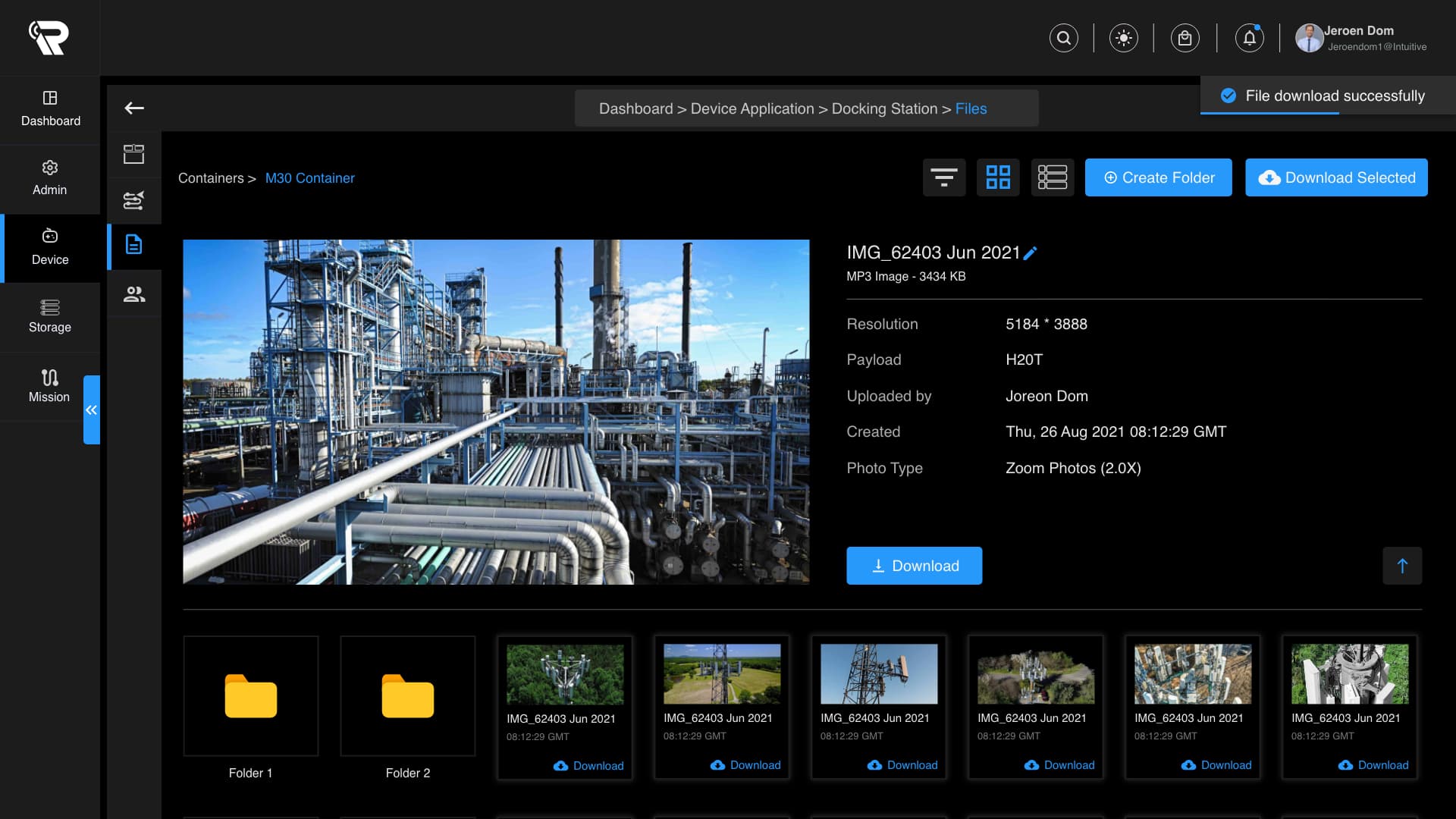
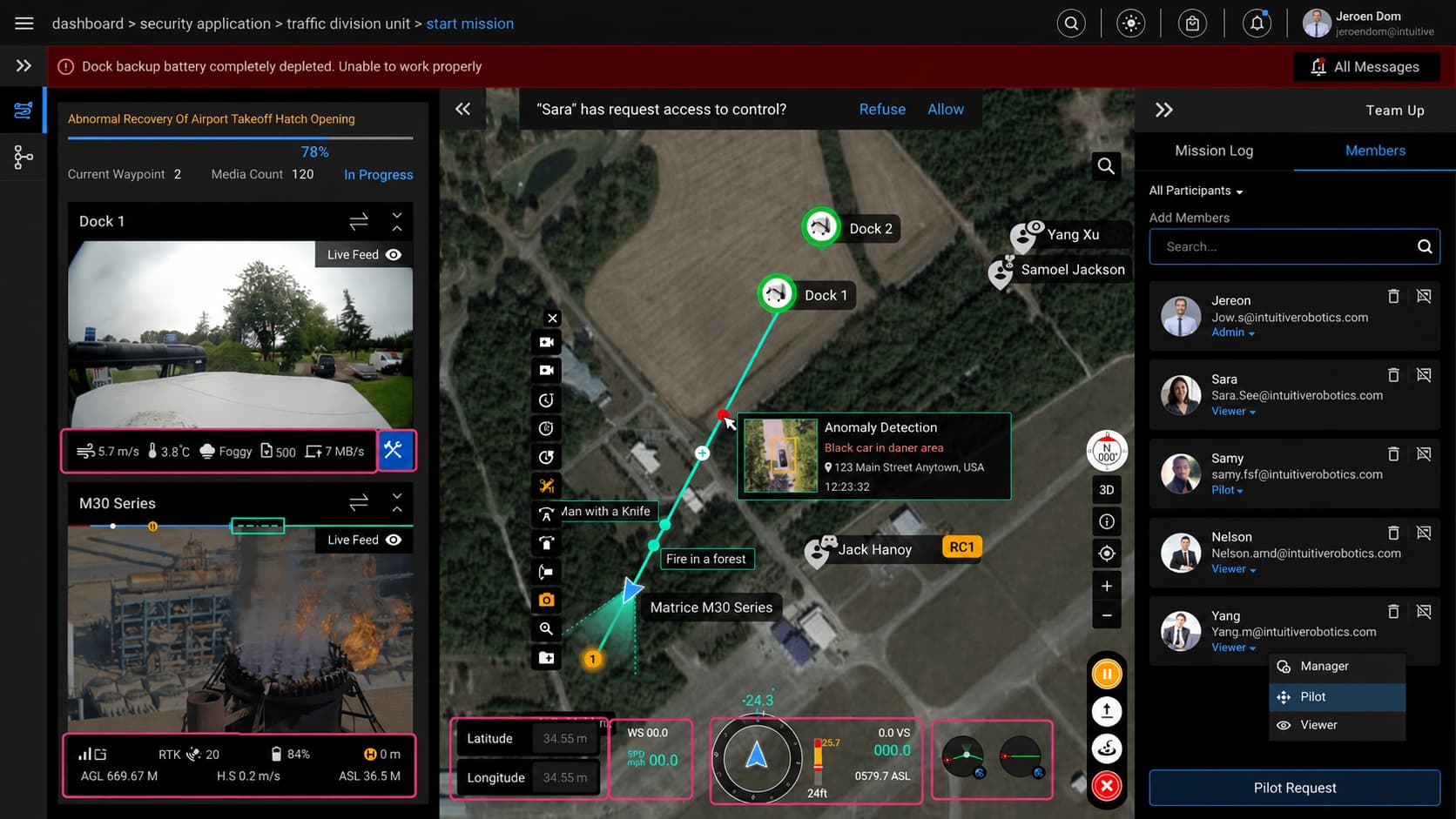
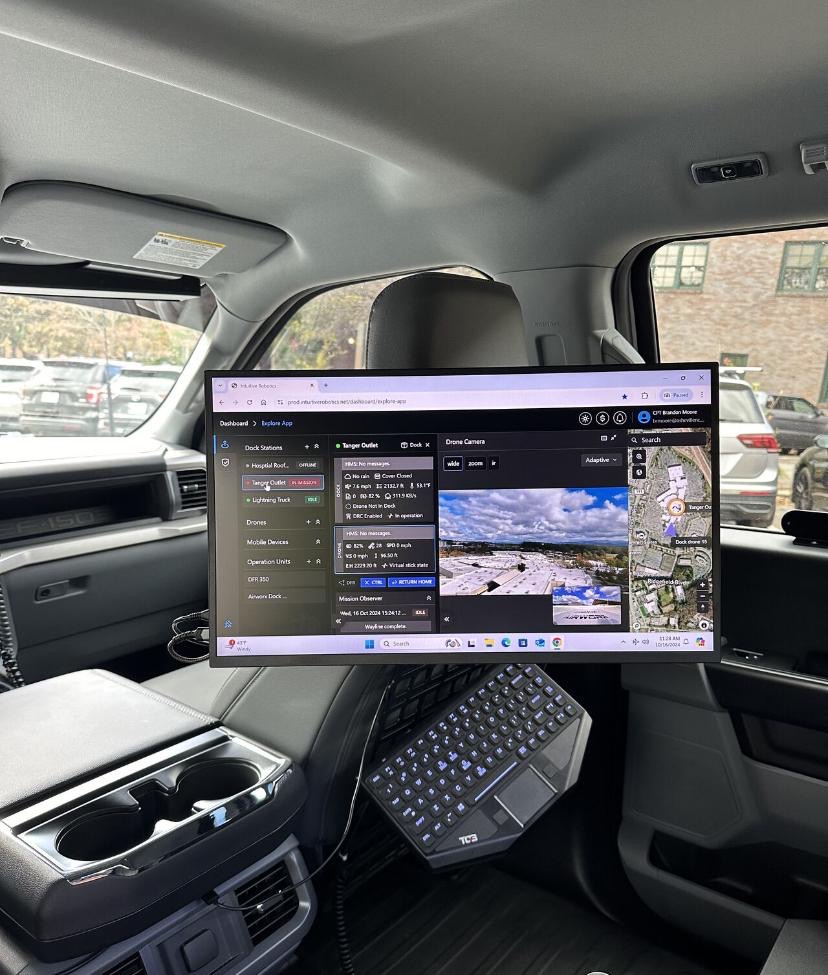
To address the lack of a unified enterprise solution in the market, I led the design of a centralized SaaS platform bringing together drone management, mission planning, telemetry monitoring, device lifecycle management, and real-time video streaming into a single, coherent experience — simplifying complex, high-stakes workflows for pilots and enterprise teams.

As the sole designer for 5 years, I owned the full design lifecycle — research, problem definition, high-fidelity prototyping, design systems, and investor presentations — working directly with engineering, product, and leadership across a fully remote, international team. Over that time, the scope grew to more than 100 individual screens and layouts across the ecosystem. The product was successfully funded and launched in the U.S. market, supporting complex drone operations for global users.

01

Overview

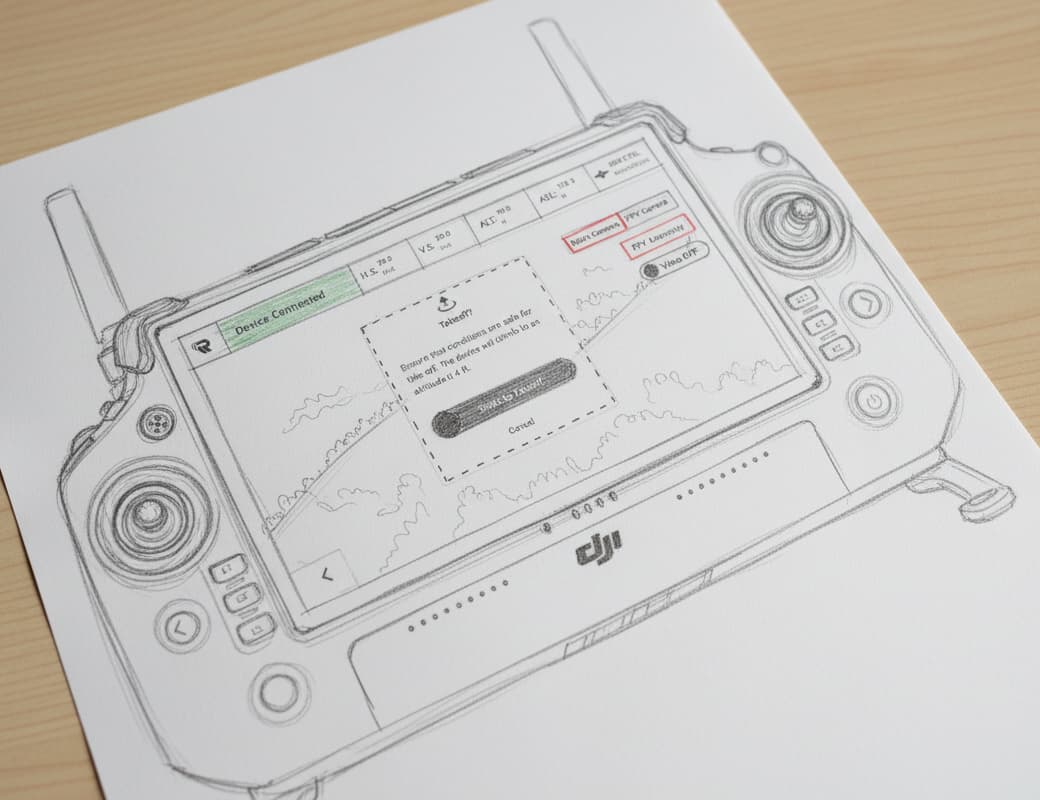
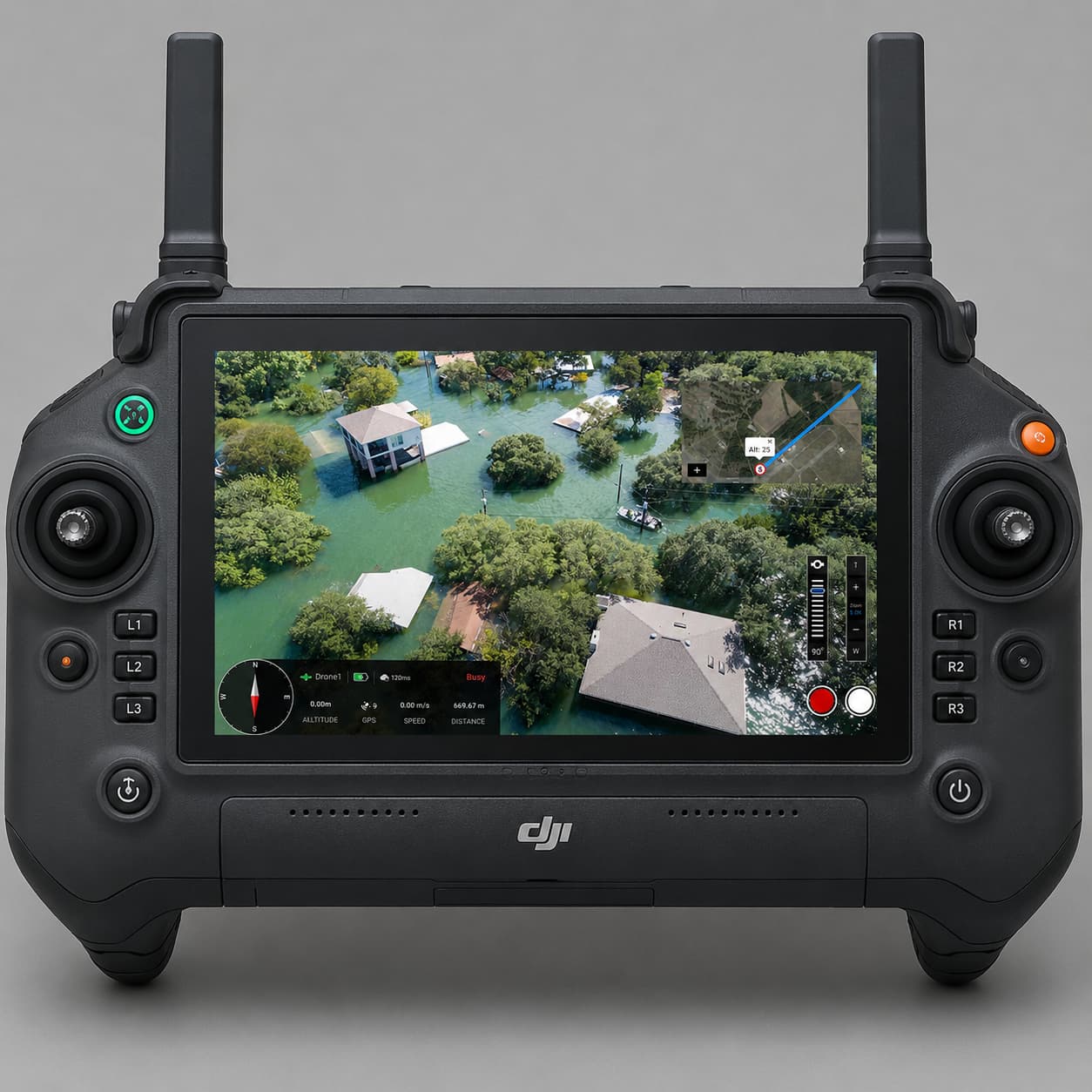
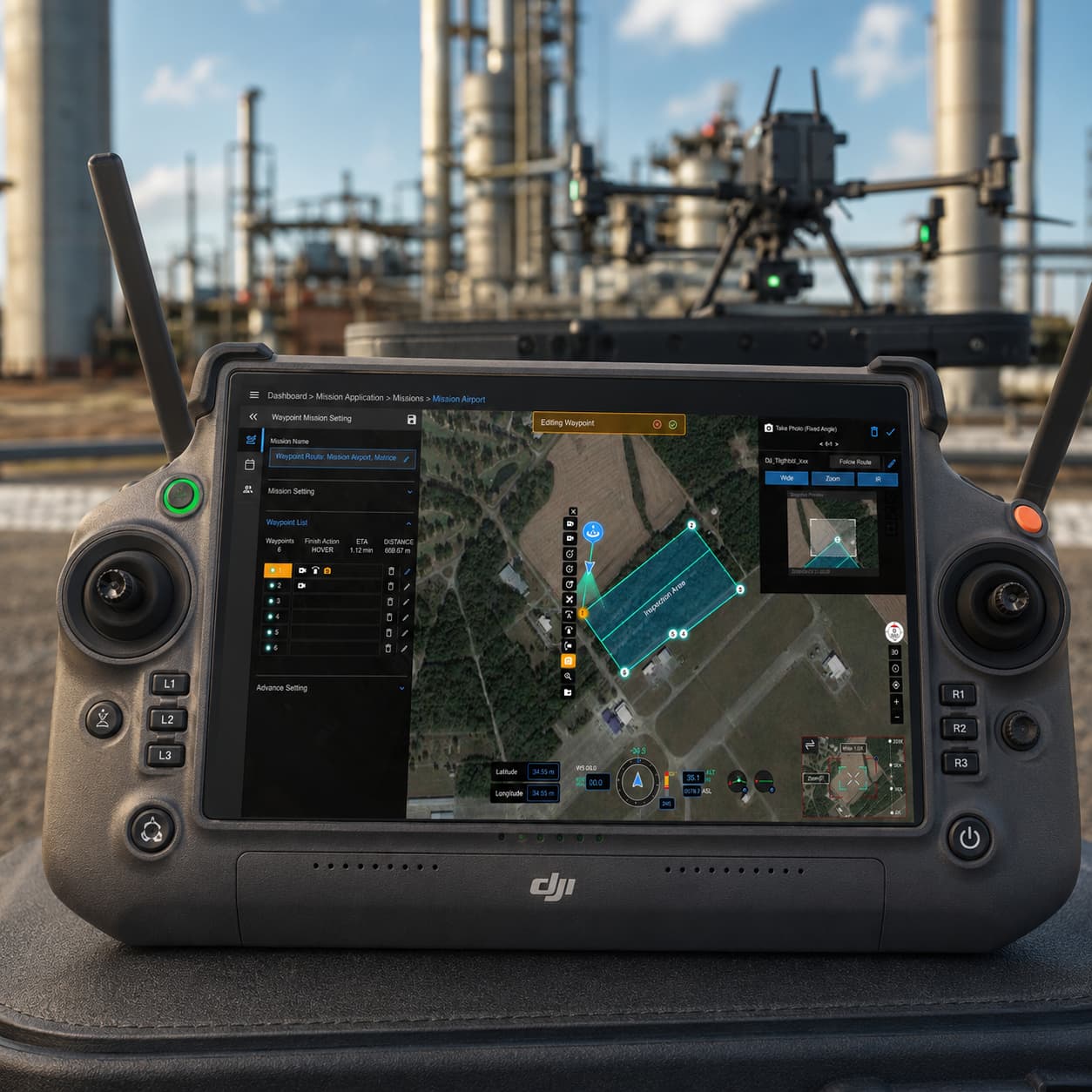
I designed the entire operator interface without physical access to the drone or its controller — every interaction had to be validated and refined remotely, without hands-on testing on the real hardware.

As the sole designer, the workload extended well beyond UI: I also owned marketing design, UX writing, pitch deck design, and investor presentation materials — all while designing across 5 platforms in parallel.

******

Constraints

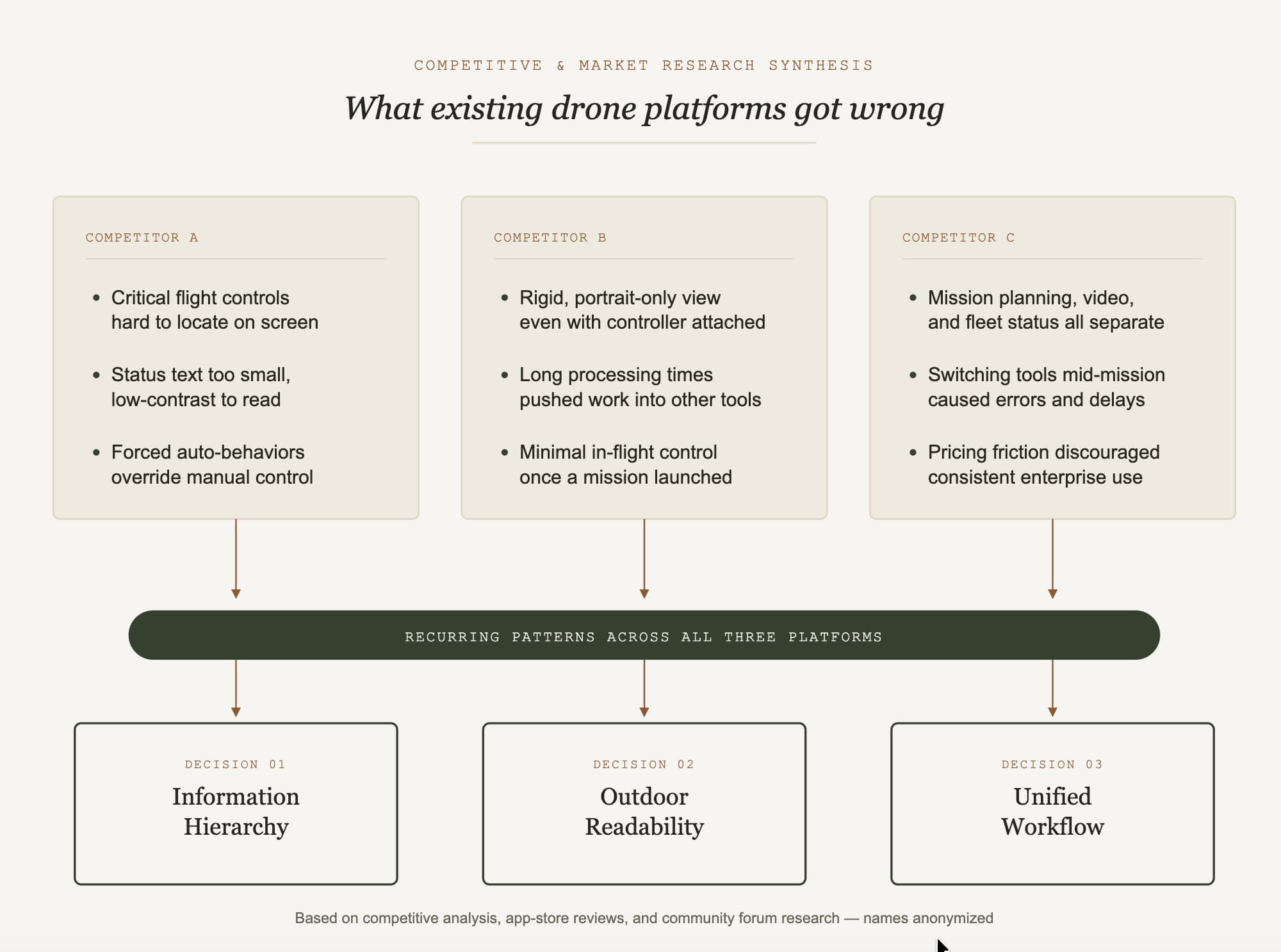
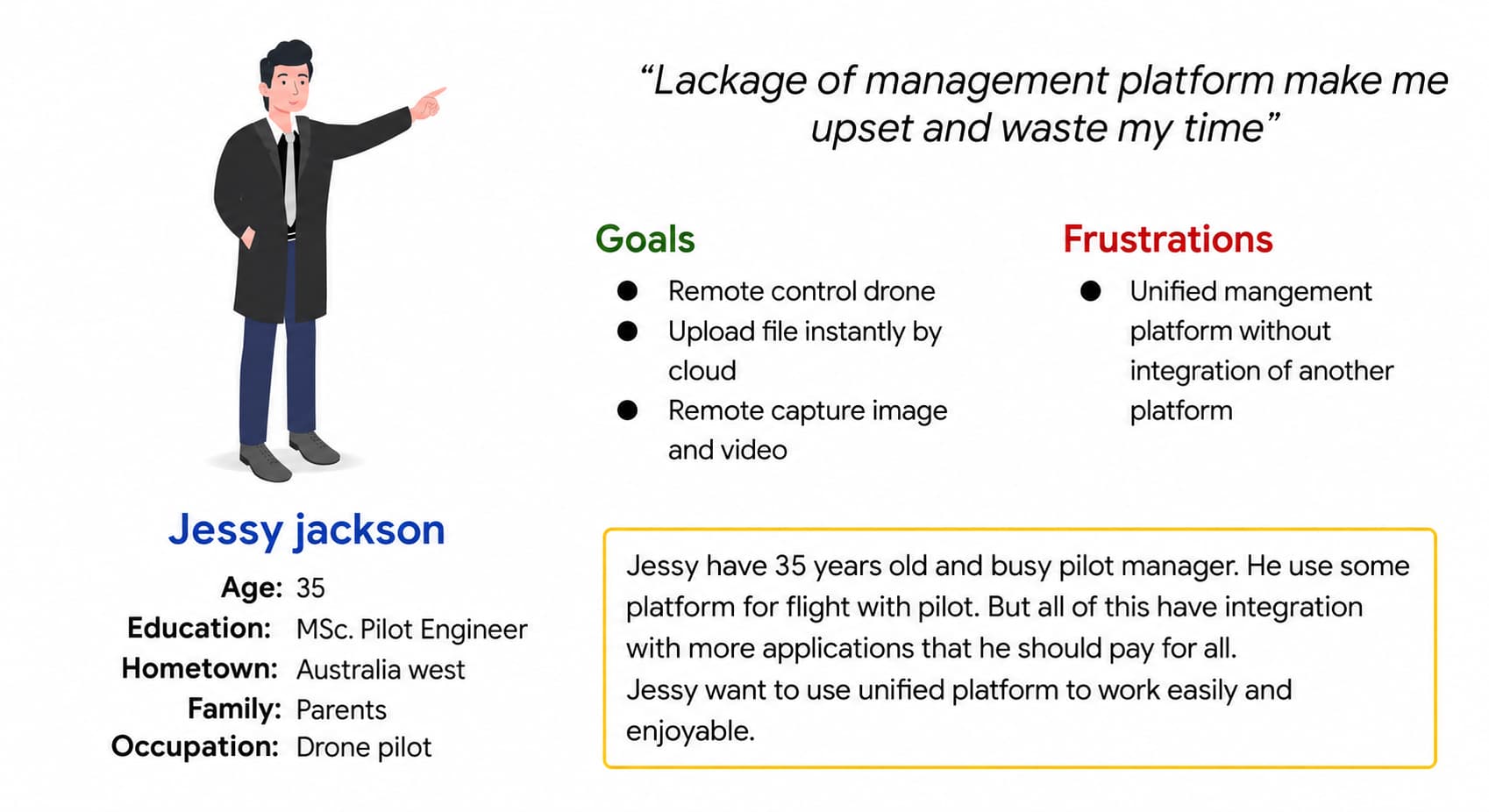
The market had no unified enterprise solution. Pilots and enterprise teams were juggling 4–6 disconnected tools for mission planning, video streaming, and fleet status — while operators managing 30+ autonomous units at once had no reliable way to prioritize critical, safety-relevant information under pressure.

02

The Challenge

Rather than starting from assumptions, I ran continuous market research across the drone industry — reviewing competitor apps firsthand, reading through user reviews and community forums, and tracking recurring complaints from flight-app comments to social media discussions.

I researched emerging trends in AI, robotics, and drone operations through competitive analysis, user reviews on Google Play and the App Store, and observations from early user testing — to anticipate both user expectations and technical constraints.

I paired this with ongoing tracking of industry news, sharing findings with stakeholders regularly. Working closely with the marketing team, we held weekly meetings to shape the product roadmap and market strategy around what operators actually needed — not just what competitors already offered.
03

Research & Discovery

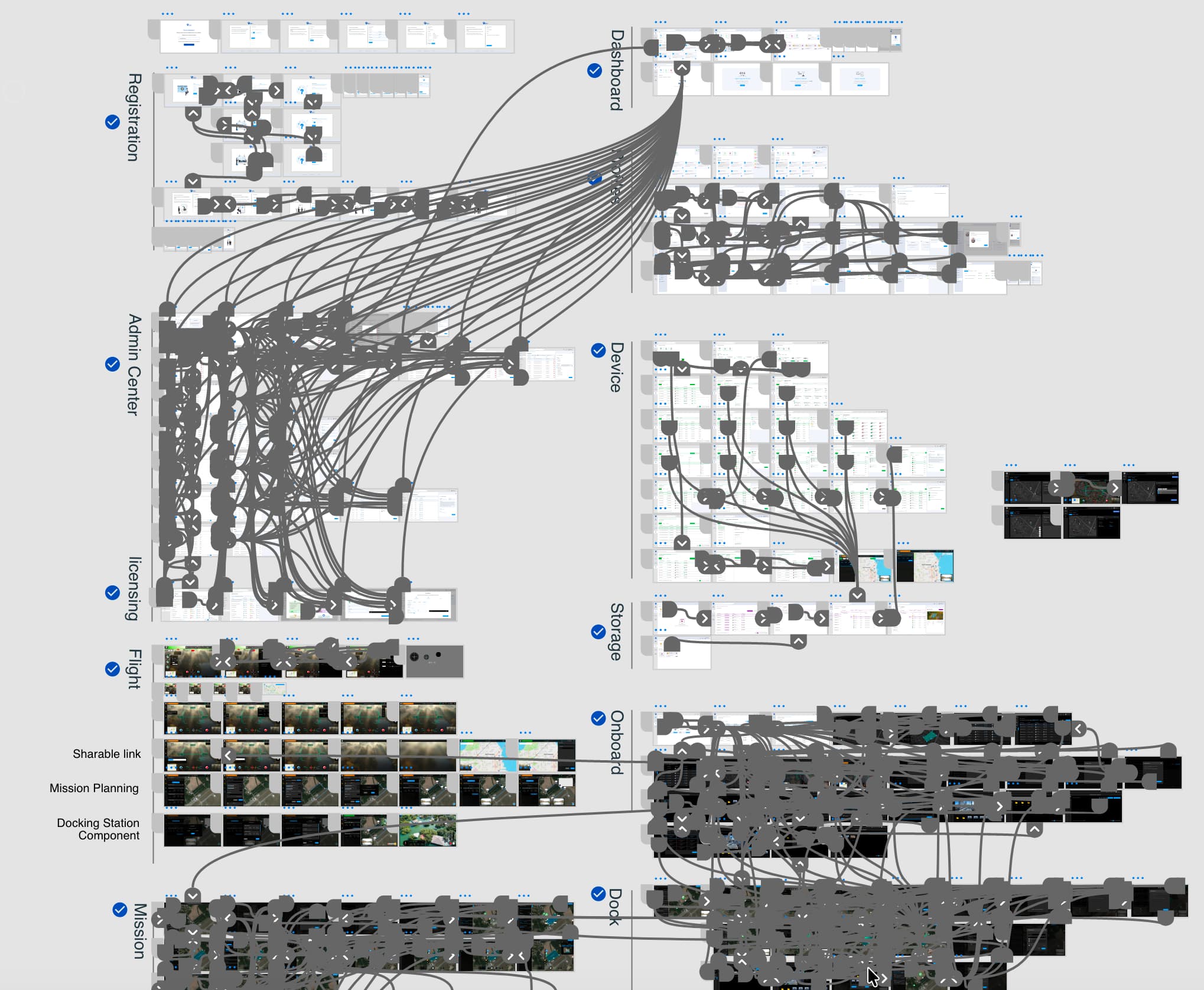
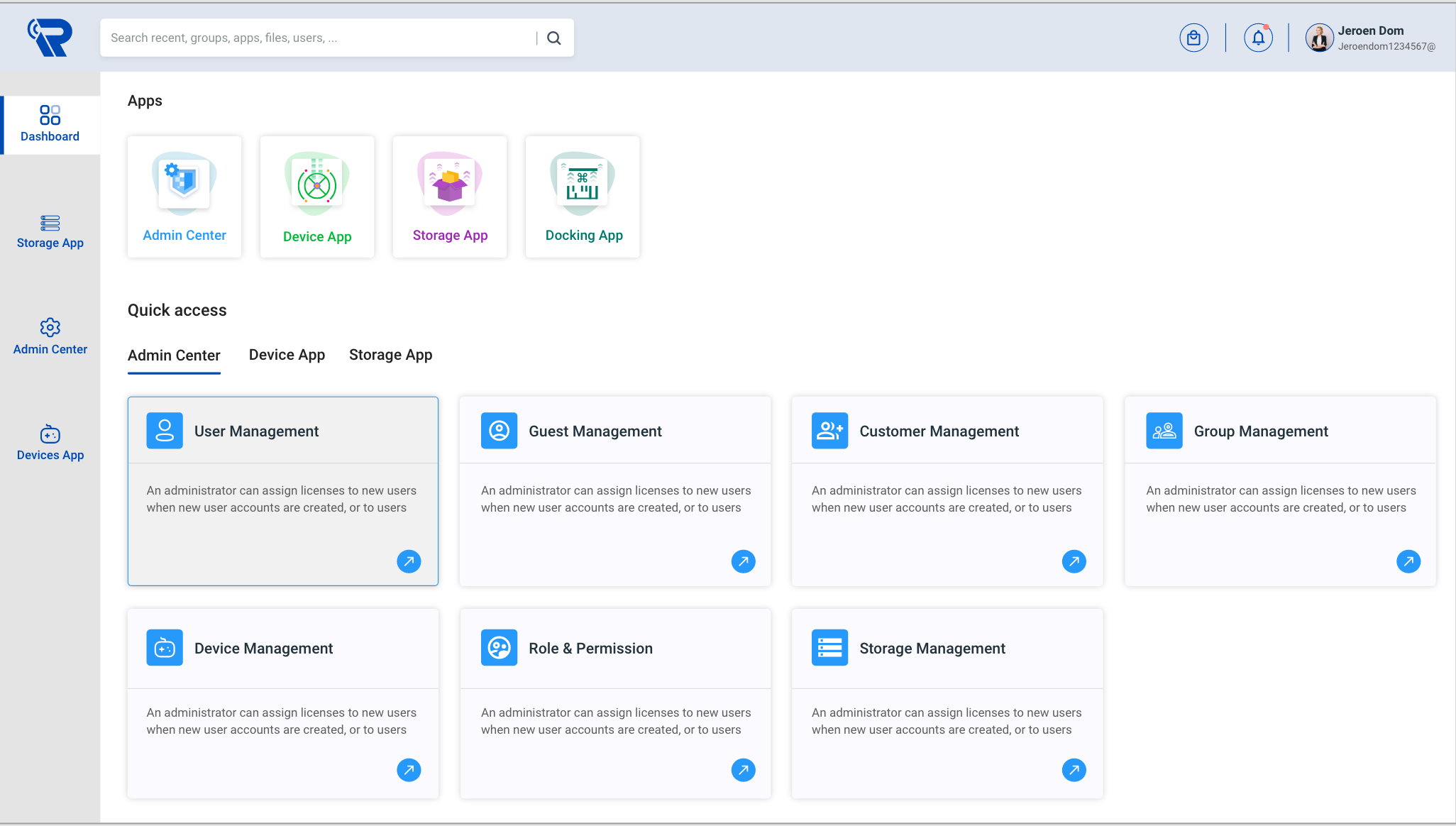
Managing that unification meant designing and connecting well over 100 individual screens across registration, admin, licensing, flight operations, device management, and mission control — mapped and prototyped as one continuous system rather than five separate ones.

04

Process & Key Decisions

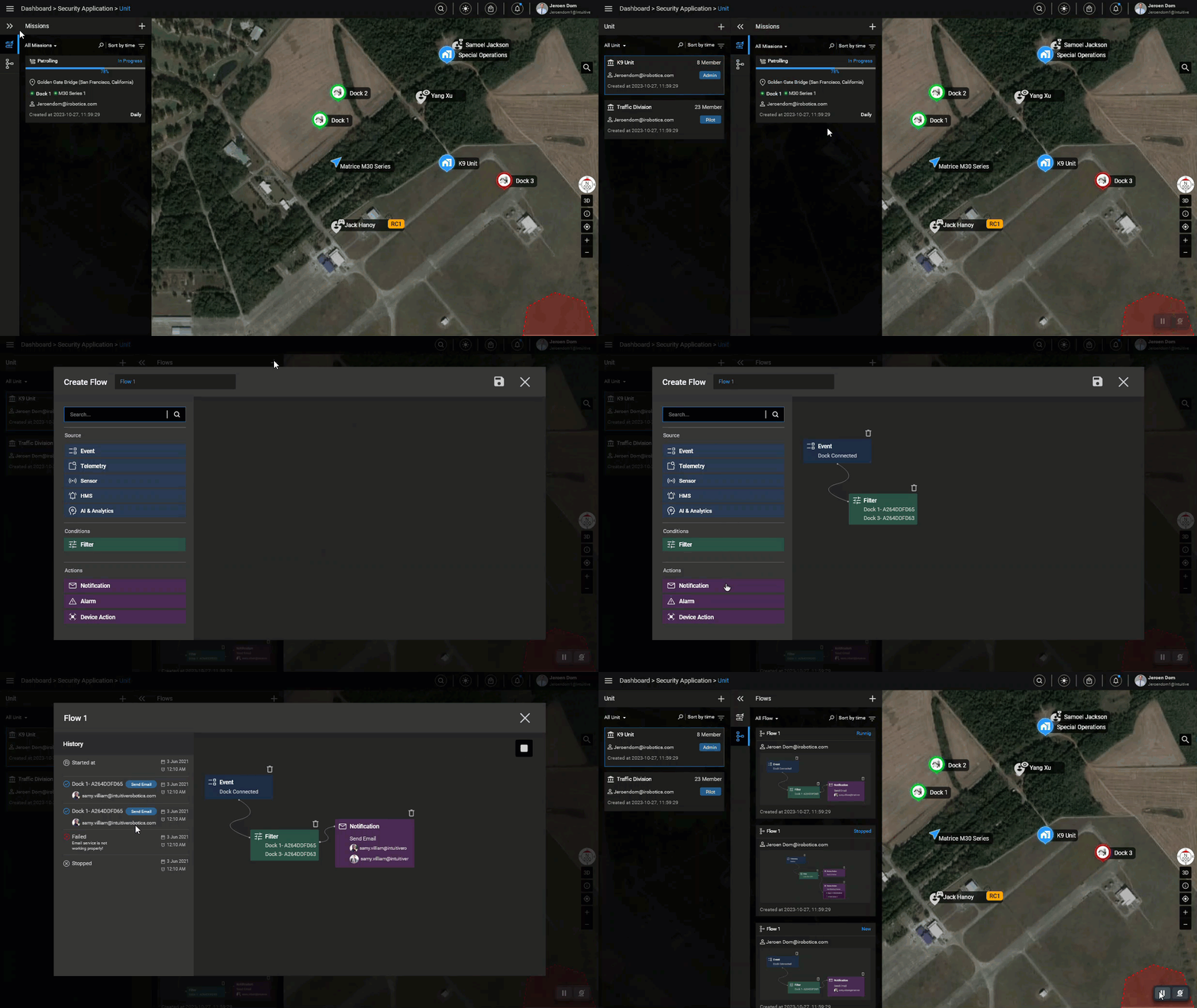
The final system spans a web dashboard, admin panel, and two mobile apps — unified by one visual and interaction language, built around three core capabilities:

Solution 01

AI-Driven Mission Automation

Streamlined mission setup, letting users schedule, prioritize, and manage daily drone operations effortlessly.

Solution 02

Real-Time Transfer Flows

Progress indicators, error handling, and system feedback built in for reliability.

Solution 03

Unified Dashboard

Consolidated multiple apps into a single, unified dashboard to reduce cognitive load.

Solution 04

Live Telemetry Pipeline

Supporting real-time decision-making in high-risk field operations.

05

The Solution

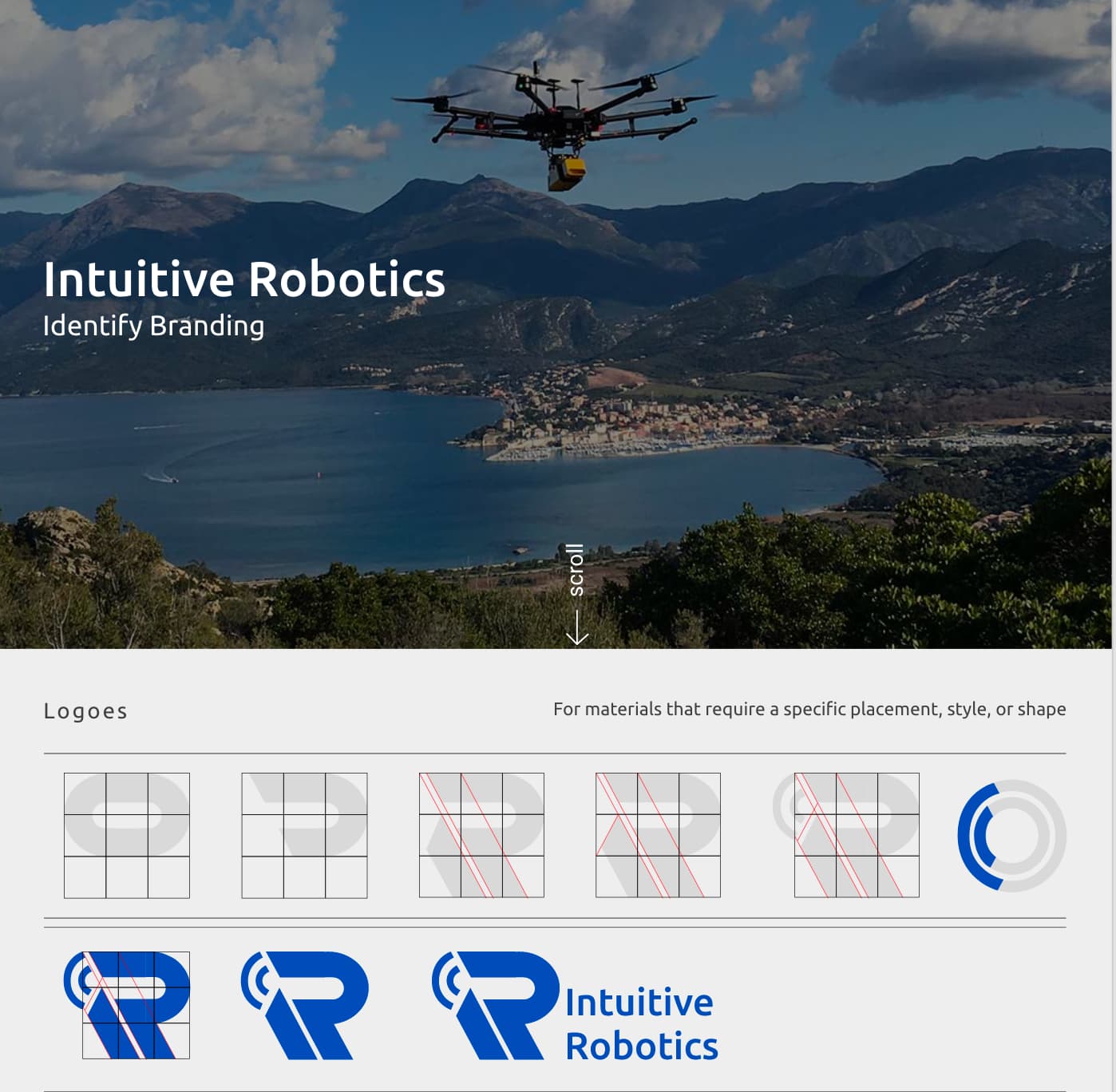
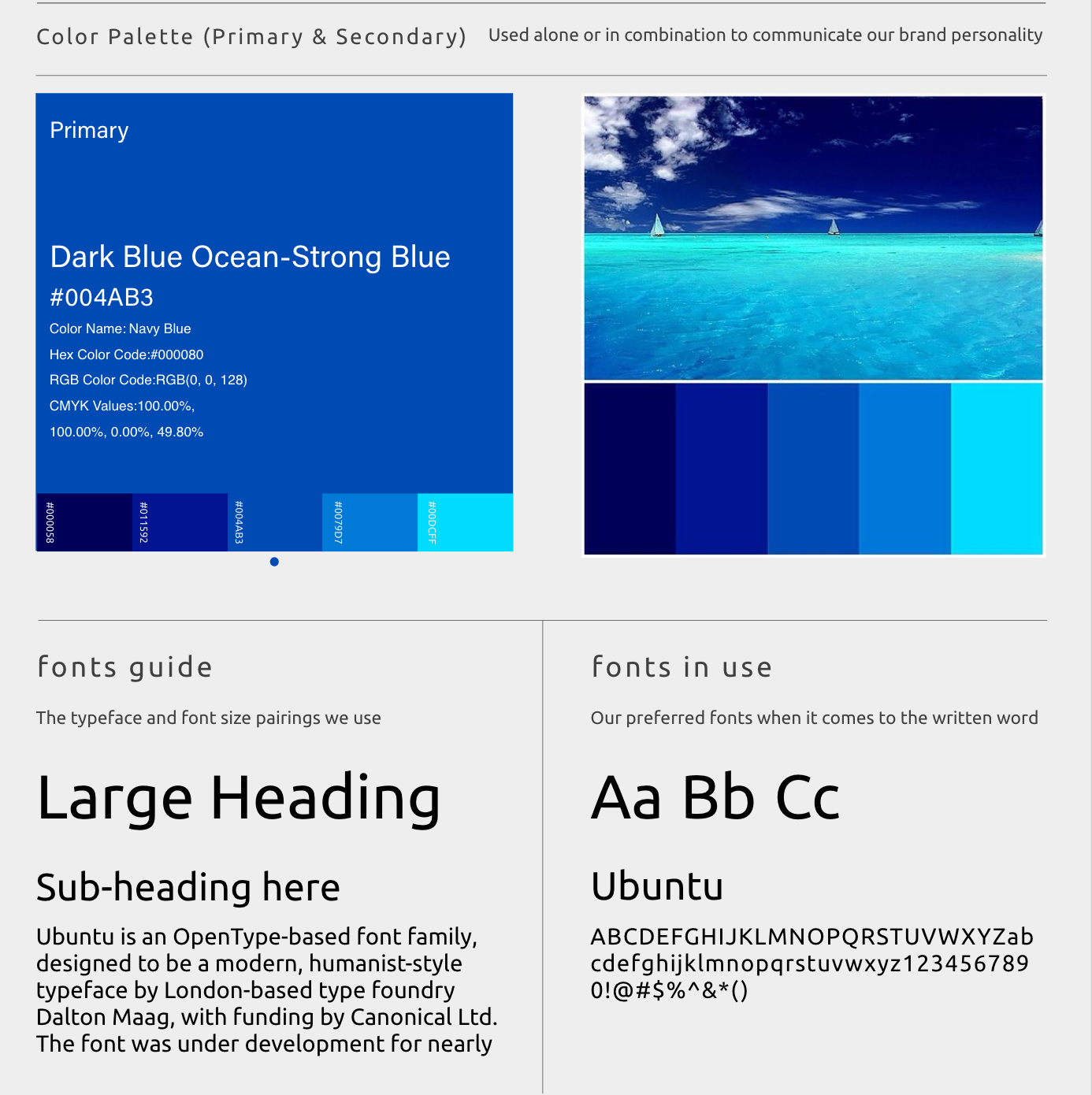
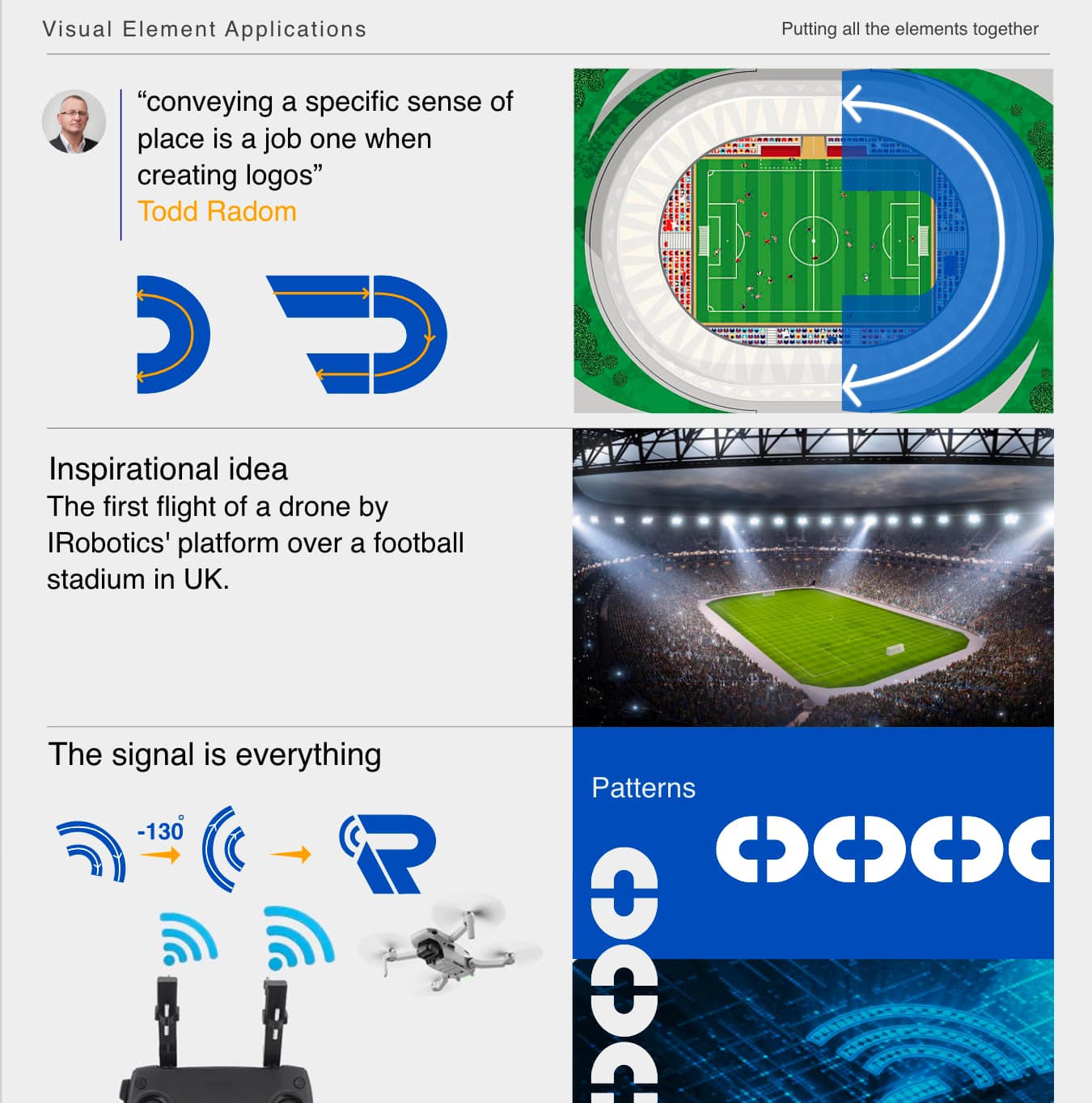
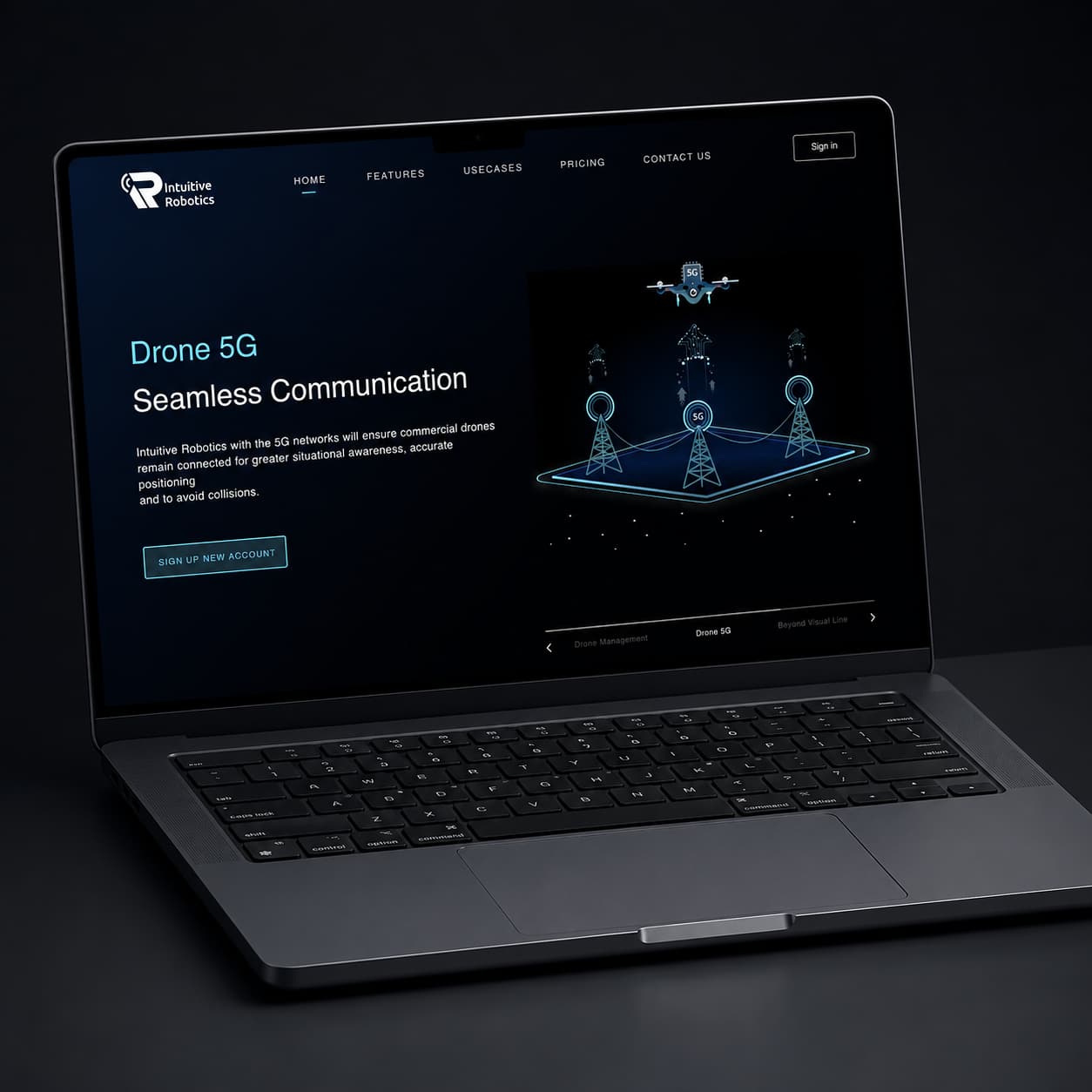
Alongside the product work, I built the visual identity tying all 5 platforms together — logo, color system, and iconography — so the product feels like one trustworthy system, not five separate tools stitched together.

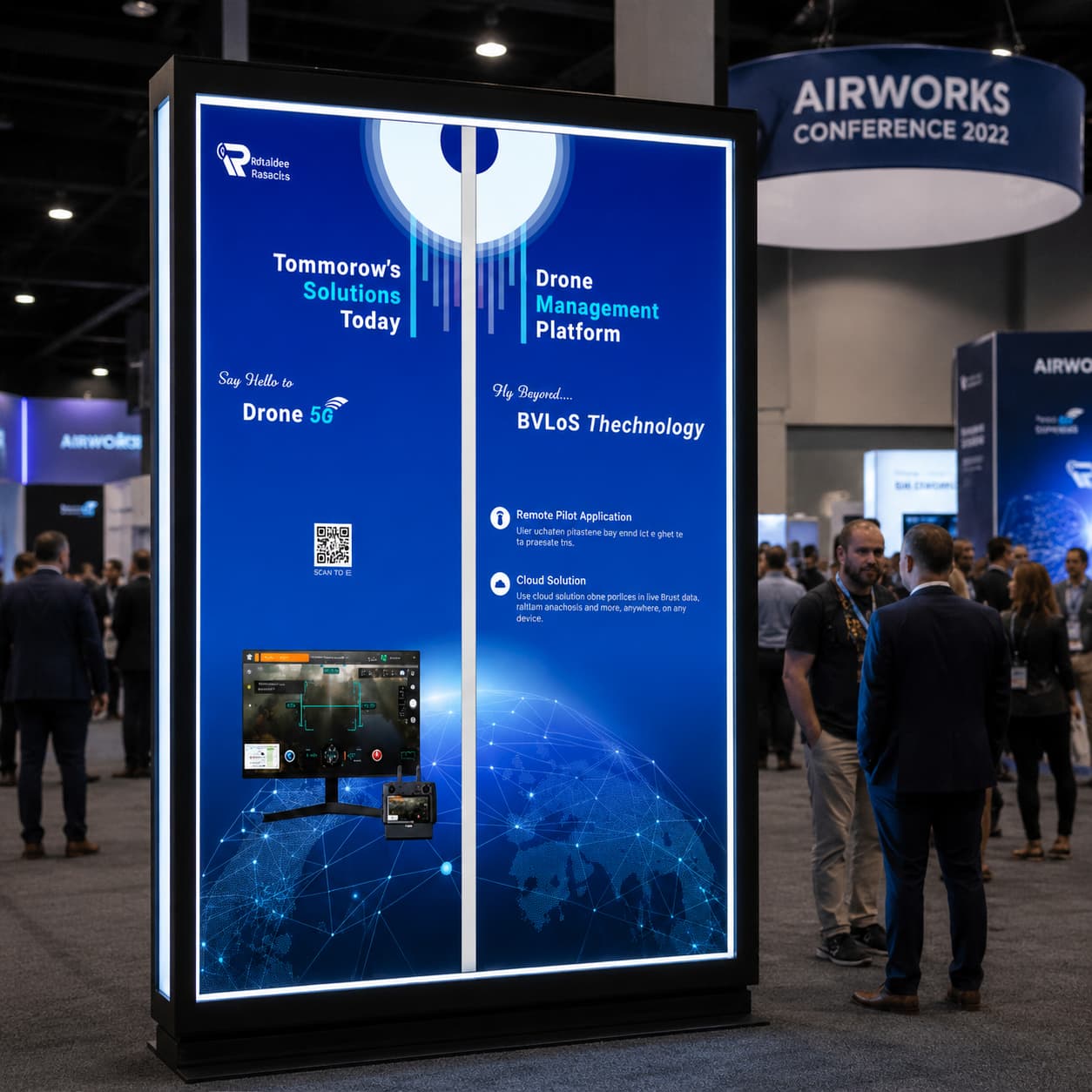
I also designed the marketing illustrations and exhibition visuals showcased at the Airworks Conference in Las Vegas, USA — October 10–12, 2022.

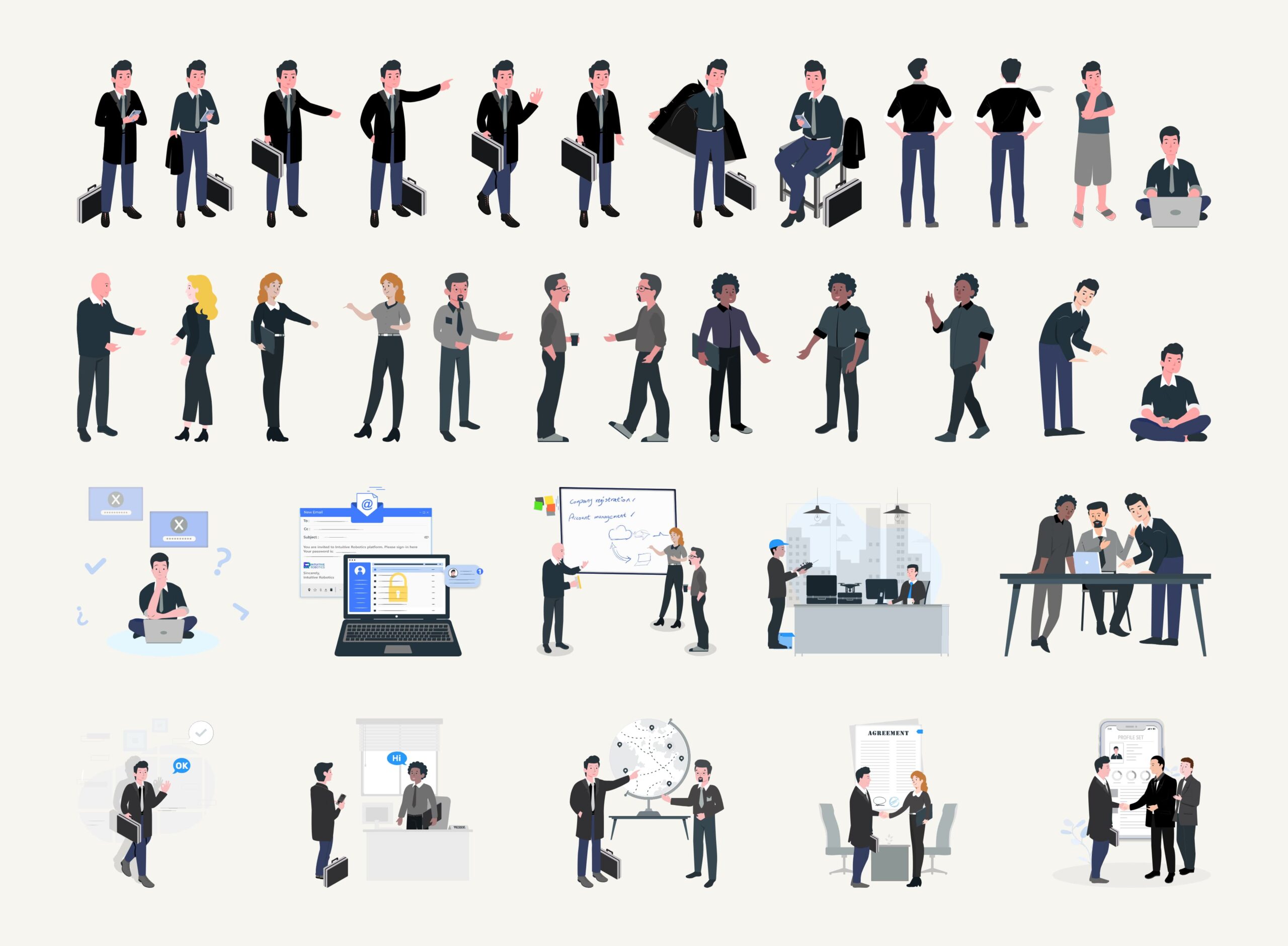
Custom illustrations and character designs used across onboarding, empty states, and marketing touchpoints:

06

Brand Identity & Marketing

5

Platforms shipped, solo

100+

Screens & layouts designed

2

Partnerships won — Microsoft, NVIDIA

30+

Units on one operator screen

✓ Unified 5 disconnected tools into one enterprise platform — eliminating workflow fragmentation across clients.
 
✓ Launched 2 Android apps, a web dashboard, and an admin panel — all shipped to production.
 
✓ Contributed to winning Microsoft Azure and NVIDIA startup partnerships through investor pitch decks and live prototypes.
 
✓ Exhibition visuals showcased at the Airworks Conference, Las Vegas — October 2022.

07

Outcome

If I were starting this today, I’d push for physical device access much earlier — validating interactions remotely meant some hardware-specific issues only surfaced after operators were already using early versions in the field. Given more time, I’d also formalize the research synthesis process from day one, rather than building it retroactively as the product scaled.

08

Looking Back

More Projects